
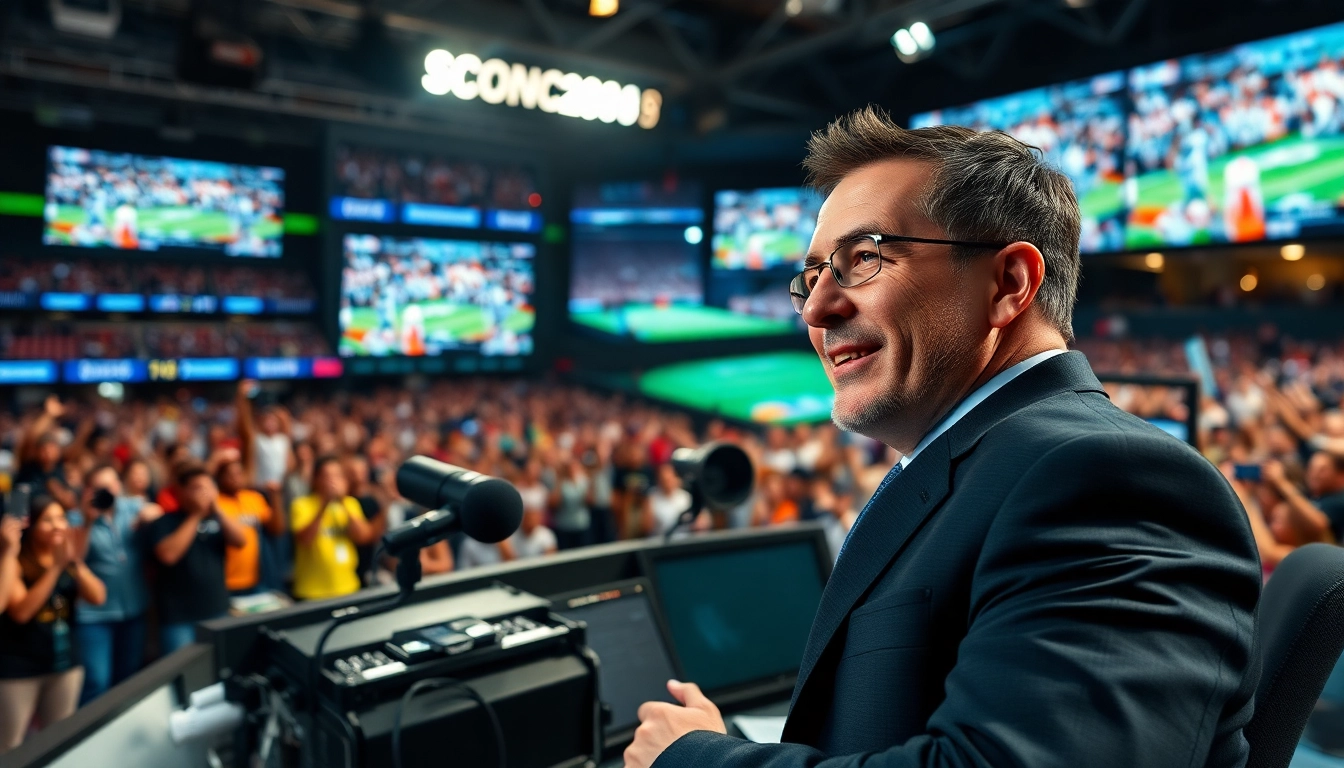
The Evolution of Sports Broadcasting
Sports broadcasting has witnessed a remarkable transformation over the decades, evolving from simple radio transmissions to sophisticated live streaming platforms. The journey of Sports Broadcasting reflects the wider technological advancements and changing viewer preferences that shape how content is delivered and consumed.
Historical Milestones in Sports Broadcasting
The inception of sports broadcasting can be traced back to the early 20th century, when the first radio broadcasts featured live sports events. The 1920s marked a significant milestone when radio networks began airing major sports events, notably baseball games, which attracted considerable audiences. This era laid the groundwork for a cultural shift, enabling fans to engage with sports like never before.
With the advent of television in the mid-20th century, sports broadcasting experienced a revolution. The 1950s saw the first televised sports broadcasts, with boxing and football leading the charge. This transition not only amplified the reach of sports but also introduced the concept of advertising revenue, changing the financial dynamics of sports leagues and networks.
As technology progressed, the introduction of color broadcasts in the 1960s and the subsequent launch of satellite television in the 1980s further enhanced viewing experiences. The 1990s then ushered in cable networks, providing dedicated sports channels like ESPN that brought a plethora of sports content to audiences around the clock.
Technological Advancements That Shaped Broadcasting
Technological innovations have continually reshaped sports broadcasting. The integration of digital video technology has resulted in high-definition (HD) broadcasts, improving clarity and visual engagement. The introduction of 4K and even 8K broadcasting in recent years has set new standards for picture quality, allowing fans to experience events with remarkable detail.
Moreover, advancements in mobile technology have enabled broadcasts to reach audiences on-the-go through apps and mobile streaming platforms. Live streaming services and on-demand content platforms have emerged, giving consumers flexibility in how and when they consume sports.
The Shift from Traditional to Digital Sports Broadcasting
The transition from traditional broadcast methods to digital platforms has been a game-changer for sports broadcasting. Audiences increasingly prefer watching sports via streaming services rather than relying solely on traditional cable or satellite television. This shift has been prompted by the need for convenience and the desire for personalized viewing experiences.
Digital platforms offer additional features, such as multi-camera angles, real-time stats, and interactive elements that enhance viewer engagement. This shift has also led to the rise of non-traditional broadcasting entities, creating competition for traditional sports networks and forcing them to adapt.
Key Techniques for Effective Sports Broadcasting
Effective sports broadcasting hinges not only on technological proficiency but also on understanding the audience and crafting compelling narratives. Engaging viewers requires employing various techniques tailored to meet their evolving demands.
Understanding Audience Engagement in Sports Broadcasting
Audience engagement is a fundamental aspect of successful sports broadcasting. Broadcasters need to comprehend who is watching their content. This understanding can be achieved through data analytics, audience feedback, and viewer preference analysis. By tapping into metrics such as ratings, social media interactions, and audience demographics, broadcasters can tailor their content to fit viewer preferences more closely.
Engagement strategies may include interactive polls, behind-the-scenes footage, and personalized commentary that resonates with different segments of the audience. A broadcaster’s ability to foster an emotional connection with fans can significantly affect viewership and loyalty.
Enhancing Storytelling through Play-by-Play Commentary
Play-by-play commentary is a critical technique in sports broadcasting that contributes to story development during games. Commentators must not only narrate the events unfolding in real-time but also connect the audience with underlying narratives, such as team rivalries and player backstories. This type of storytelling can captivate audiences and enhance their viewing experience.
Effective commentators employ vivid language and descriptive imagery that transport viewers into the heat of the action, building suspense and excitement. The best commentators blend facts with emotion, creating a connection that leaves a lasting impression on audiences.
Utilizing Social Media for Enhanced Fan Interaction
In the digital age, social media serves as a vital tool for sports broadcasters to engage with fans outside of traditional viewing experiences. Platforms such as Twitter, Instagram, and TikTok create additional channels for interaction, live updates, and audience involvement.
Broadcast networks can leverage social media to promote their shows, host live discussions, or share highlights, enhancing the storytelling experience. Engaging fans through social media fosters a community around sports events, leveraging user-generated content and fan interactions to amplify discussions and keep interest alive long after a game ends.
Essential Tools and Equipment for Sports Broadcasting
To deliver high-quality broadcasts, sports broadcasters rely on various tools and equipment that ensure clarity, reliability, and engagement.
Must-Have Software for Sports Broadcasting Professionals
Professional sports broadcasters utilize specialized software to enhance their production quality. Tools for video editing, graphics, and real-time data integration are essential for creating dynamic broadcasts. Software like OBS Studio and Wirecast provides live streaming capabilities with added functionalities like scene transitions and overlays that engage viewers visually.
Additionally, data analytics software helps broadcasters analyze audience behavior and preferences, allowing them to create content that strategically appeals to viewers. Knowledge of these tools equips broadcasters to deliver polished, professional content effectively.
Audio-Visual Equipment for Clear Broadcasting
The backbone of effective sports broadcasting lies in quality audio-visual equipment. High-quality cameras, microphones, and lighting systems are crucial for producing clear and captivating broadcasts. Broadcasters must select equipment that can capture high-definition footage while maintaining audio integrity.
Investments in equipment such as mobile cameras for covering events and drones for aerial shots can significantly elevate the quality of broadcasts, providing unique perspectives that engage audiences differently.
Remote Broadcasting Solutions for Real-Time Coverage
Remote broadcasting has become vital, especially in the era of global sports events. Professionals must leverage remote broadcasting solutions to provide real-time coverage from various locations. Equipment such as portable encoders, satellites, and secure internet connections can facilitate high-quality broadcasts from virtually anywhere.
Utilizing cloud services also allows broadcasters to store and manage media more effectively, enabling seamless integration of content and facilitating collaborative efforts regardless of geographical constraints.
Challenges in Sports Broadcasting
Despite the advancements, sports broadcasting faces several challenges that require strategic solutions and adaptations.
Navigating Legal and Ethical Constraints
Legal and ethical considerations are paramount in sports broadcasting. Copyright laws, broadcasting rights, and contractual obligations can complicate the production and distribution of sports content. Broadcasters must ensure compliance with all legal frameworks to avoid lawsuits and financial penalties.
Ethically, issues such as maintaining impartiality and ensuring fair representation are essential. Broadcasters must continuously train their teams to navigate these complex waters, promoting integrity while delivering engaging content.
Addressing Viewership Decline in Traditional Broadcasting
As more viewers shift to digital platforms, traditional broadcasting networks have faced significant declines in viewership. To combat this trend, broadcasters must innovate their offerings, integrating new technologies and engaging content that reflects modern viewer preferences.
Updating their programming strategies, focusing on niche markets, and enhancing viewer experiences can help reclaim lost audiences. Overall, adapting to the changing landscape is crucial for the longevity and success of traditional broadcasters.
Adapting to Fast-Paced Sports Environments
Sports events are known for their dynamic and fast-paced nature, making it imperative for broadcasters to adapt quickly. Fast and accurate communication and production processes are critical for reducing response times and enhancing content delivery.
Broadcasters often rely on real-time analytics to make immediate decisions regarding content adjustments and viewer engagement strategies. Training teams to act swiftly and effectively can improve overall broadcasting performance and viewer satisfaction.
Future Trends in Sports Broadcasting
As technology and audience preferences continue to evolve, the future of sports broadcasting looks promising, with new trends shaping how content is delivered and experienced.
The Role of Streaming Services in Sports Broadcasting
Streaming services have taken center stage in the future of sports broadcasting, edging out traditional cable and satellite systems. Many fans now opt for subscription-based streaming platforms for watching sports live or on-demand, allowing more personalized and flexible viewing experiences.
As streaming continues to grow, broadcasters must adapt their strategies to remain competitive, investing in exclusive broadcasting rights, innovative features, and quality content that appeals to the evolving tastes of sports fans.
Innovations in Interactive Broadcasting Experiences
The convergence of technology and sports broadcasting is leading to the emergence of interactive broadcasting experiences. New developments, such as augmented reality (AR) and virtual reality (VR), provide viewers with immersive experiences, allowing them to engage with live events in ways that were previously unimaginable.
Broadcasters can utilize these technologies to enhance viewer engagement, presenting supplementary information, replays, and interactive analytics that allow fans to feel integrated into the watching experience. This trend is likely to amplify in the coming years, leading to richer broadcasting content.
Predictions for the Next Decade in Sports Broadcasting
The future of sports broadcasting promises to be characterized by further technological advancements and an emphasis on audience-centric experiences. Innovations in AI-driven content creation, real-time translation services, and personalization will undoubtedly shape the next decade.
As audiences demand higher engagement levels and real-time interactions, the broadcasting industry will have to adapt by integrating these advancements into their strategies, ensuring they meet consumer expectations while fostering new connections with fans.
Frequently Asked Questions
What is sports broadcasting?
Sports broadcasting is the transmission of sports events through various media platforms, primarily television, radio, and over the internet, allowing fans to watch and engage with live and recorded events.
How has technology impacted sports broadcasting?
Technology has transformed sports broadcasting by improving the clarity of broadcasts through HD and 4K streaming, enabling real-time analytics, and facilitating viewer interactivity via digital platforms and social media.
What challenges do sports broadcasters face today?
Key challenges include navigating legal and ethical constraints, addressing viewership declines, and adapting to the fast-paced dynamics of sporting events while maintaining high-quality content delivery.
What are future trends in sports broadcasting?
The future trends include increased reliance on streaming services, innovations in interactive broadcasting experiences with AR and VR, and the incorporation of AI to enhance viewer experiences and customize content.
How can broadcasters engage with their audiences better?
Broadcasters can improve audience engagement by utilizing data analytics to understand viewer preferences, employing compelling storytelling techniques, and actively participating in social media discussions to foster community connections.